
10 Best WordPress + Plugins Alternatives in 2026: Skip the Complexity, Choose Smart
Introduction: Why WordPress + Plugins Is Losing Users in 2026
WordPress powers 43% of the web. But here's the dirty secret: it's also the reason thousands of entrepreneurs quit building online businesses every year.
If you've been down the WordPress rabbit hole, you know the pain:
Plugin conflicts that break your site at 2 AM — You install a new plugin for email marketing, and suddenly your checkout page is blank. You spend 4 hours debugging instead of growing.
Security nightmares and constant updates — WordPress core updates, plugin updates, theme updates. Every month, it's a game of Russian roulette. One bad update = downtime.
Hidden costs that balloon — You start with "free" WordPress hosting (5/month) ,add premium plugins( 50/month), hire a developer to fix issues ($200/month), and suddenly you're spending more than Shopify.
The technical burden — You're not a developer, but you're forced to act like one. Managing backups, security patches, plugin dependencies... it's supposed to be a business platform, not a second job.
The reality is: WordPress isn't built for selling. It's built for blogging. When you force it to sell, you're fighting the system.
The good news? There are 10 genuinely better alternatives now—platforms designed from the ground up for entrepreneurs, not web developers.
Here's what we'll cover:
The best all-in-one platform (no plugins needed)
Beginner-friendly alternatives that work out of the box
Platforms built specifically for selling (not just publishing)
Enterprise solutions for serious businesses
A side-by-side comparison so you can decide today
Let's find your WordPress escape route.
Quick-Scan List: The 10 Best WordPress + Plugins Alternatives
Systeme.io — Best overall all-in-one platform
Webflow — Best for designers and custom sites
Wix — Best for ease and beautiful design
Squarespace — Best for creatives and portfolios
ClickFunnels — Best for sales funnels and conversions
Kajabi — Best for creators and course builders
GetResponse — Best for integrated email + marketing
Shopify — Best for e-commerce and physical products
Carrd — Best for simple, single-page sites
Ghost — Best for writers and membership content
Alternative #1: Systeme.io — Best Overall WordPress + Plugins Alternative
The WordPress Killer: Everything in One Dashboard
Systeme.io is what happens when you ask: "What if we built a platform for entrepreneurs instead of forcing them to Frankenstein WordPress?"
It's the anti-WordPress. Everything you need—funnels, email, landing pages, courses, memberships, stores—in one dashboard. No plugins. No conflicts. No updates at 2 AM.
Core Features & Benefits
✅ True all-in-one platform: Sales funnels + email marketing + landing pages + online store + course builder + membership site — everything included in one tool
✅ Zero plugins needed: No more plugin conflicts, security holes, or compatibility nightmares. It all works together by design.
✅ No transaction fees: Keep 100% of your sales (payment processor fees only). WordPress forces you into WooCommerce + payment plugins—all with fees.
✅ Pre-built, conversion-optimized templates: 100+ professionally designed funnels, pages, and stores. No design skills required. WordPress requires hiring a $3,000+ designer.
✅ Integrated email automation: Build sequences, segment audiences, recover carts—no need to pay Mailchimp $50/month separately.
✅ Drag-and-drop editor: Change anything without touching code. WordPress has a learning curve; Systeme.io is intuitive.
✅ One pricing tier that scales: Start at19/month, scale to 10M revenue on the same plan. No surprise tier jumps.
Why It Destroys WordPress + Plugins
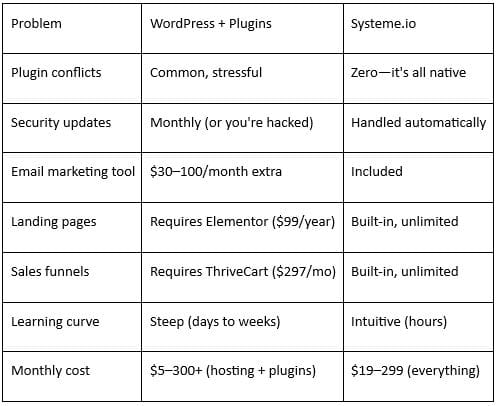
Real cost comparison: WordPress + WooCommerce + Elementor + Mailchimp + Stripe + developer help = 400–800/month. Systeme.io = 99/month. You save $3,600–8,400 per year.
Pricing Breakdown
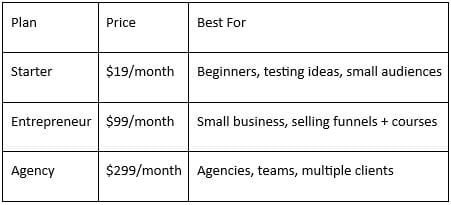
Everything included at every tier: Email marketing, landing pages, sales funnels, online store, course builder, memberships, affiliate system, automation.
14-day free trial. Full access. No credit card required.
Alternative #2: Webflow — Best for Designers and Custom Sites
What It Is
Webflow is visual web design meets hosting. It's WordPress for designers—full control, no plugins, clean code.
Strengths
✅ Complete design freedom: Build anything you can imagine without touching code (or go deeper if you want)
✅ No plugin conflicts: Everything is native Webflow; nothing breaks
✅ Professional hosting included: Fast, secure, scalable. No separate hosting bills.
✅ CMS built-in: Manage dynamic content easily (blogs, portfolios, product catalogs)
✅ E-commerce ready: Built-in shopping cart, checkout, inventory management
✅ Interactions and animations: Create advanced animations without a developer
Weaknesses
❌ Steep learning curve: Webflow is powerful but not beginner-friendly. Expect 1–2 weeks to be productive.
❌ Expensive for basics: 18/month for basic site, 38/month for hosting (more than alternatives)
❌ No native email marketing: You'll need ConvertKit or Mailchimp separately
❌ No sales funnels: Webflow is for websites, not conversion-focused funnels
❌ Limited templates: Fewer pre-built options than Wix or Squarespace
Pricing
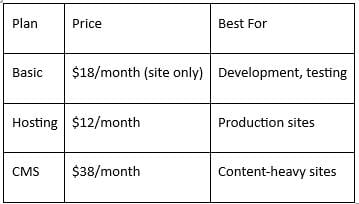
Best For: Web designers, design agencies, custom websites that need unique design.
Alternative #3: Wix — Best for Ease and Beautiful Design
What It Is
Wix is the beginner's WordPress alternative. Drag-and-drop everything, beautiful templates, no coding required.
Strengths
✅ Easiest setup: 5-minute site, literally. Drag blocks, add text, publish.
✅ Beautiful templates: 1,000+ professionally designed templates for every industry
✅ All-in-one: Website + store + email marketing + SEO tools in one place
✅ Great support: Live chat, phone, knowledge base. WordPress = you're on your own.
✅ No technical headaches: Wix handles hosting, security, backups, updates
✅ Built-in e-commerce: Sell physical products, digital goods, memberships
Weaknesses
❌ Limited customization: You're building in Wix, not building your own site. Can't export or migrate easily.
❌ Higher pricing: $27–250/month (more than Systeme.io)
❌ Slower performance: Wix sites load slower than hand-coded alternatives
❌ No funnel building: It's a website builder, not a conversion funnel tool
❌ Vendor lock-in: You're completely dependent on Wix
Pricing
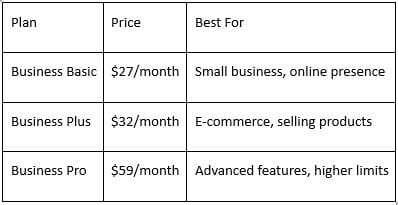
Best For: Beginners, small businesses, service providers needing a professional site fast.
Alternative #4: Squarespace — Best for Creatives and Portfolios
What It Is
Squarespace is Wix's elegant cousin—beautiful templates, built-in hosting, no coding required. It's designed for creatives.
Strengths
✅ Stunning templates: Squarespace templates are genuinely beautiful—no "cookie-cutter" feeling
✅ Amazing design quality: Even beginners produce professional-looking sites
✅ Built-in blogging: Clean blog platform, great for writers and creators
✅ Portfolio showcase: Perfect for photographers, illustrators, designers
✅ E-commerce included: Sell digital + physical products on most plans
✅ Analytics built-in: Track visitor behavior, traffic sources, conversions
Weaknesses
❌ Limited customization: Less flexible than Webflow, more design limitations
❌ No native email marketing: You need Mailchimp or ConvertKit separately
❌ Higher pricing: $17–33/month (more expensive than Wix)
❌ Performance: Slower load times compared to optimized alternatives
❌ Not for funnels: It's a website builder, not designed for sales funnels
Pricing
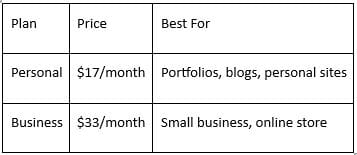
Best For: Photographers, artists, creatives, portfolios, luxury brands.
Alternative #5: ClickFunnels — Best for Sales Funnels and Conversions
What It Is
ClickFunnels is purpose-built for one thing: converting visitors into customers. It's the sales funnel OS.
Strengths
✅ Conversion-obsessed: Everything is designed to maximize sales. Split testing, upsells, order bumps built-in.
✅ Drag-and-drop funnel builder: Create complex funnels without code
✅ Pre-built, high-converting templates: 100+ templates tested for conversions
✅ Integrated email marketing: Auto-responders, sequences, tagging
✅ Upsell/downsell mechanics: Order bumps, one-click upsells, downsells are native
✅ Affiliate management: Built-in affiliate dashboard with tracking
Weaknesses
❌ Expensive: $97–297/month (pricier than alternatives)
❌ Not a website platform: If you want a traditional website, look elsewhere
❌ Funnel-first mentality: Every page must fit the funnel model (doesn't work for all businesses)
❌ No course builder: Limited for course creators compared to Kajabi
❌ Limited inventory management: Not great for e-commerce at scale
Pricing
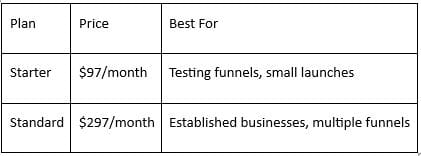
Best For: Coaches, consultants, digital product creators, high-ticket sellers.
Alternative #6: Kajabi — Best for Creators and Course Builders
What It Is
Kajabi is the all-in-one platform for creators, coaches, and online educators. It's like Systeme.io's premium cousin—more expensive, more features.
Strengths
✅ Course builder: Industry-leading course platform with drip content, assessments, certificates
✅ Membership sites: Recurring revenue through exclusive content and communities
✅ Email marketing: Integrated campaigns, automations, segmentation
✅ Landing pages + sales funnels: Conversion-optimized builders
✅ Analytics dashboard: See all your business metrics in one place
✅ Professional templates: 100+ templates designed for creators
Weaknesses
❌ Expensive: $149–499/month (much pricier than Systeme.io)
❌ Steep learning curve: Powerful but complex
❌ Overkill for beginners: You pay for features you won't use
❌ No transaction fee advantage: Still relies on Stripe/PayPal
❌ Limited e-commerce: Better for courses than physical product selling
Pricing
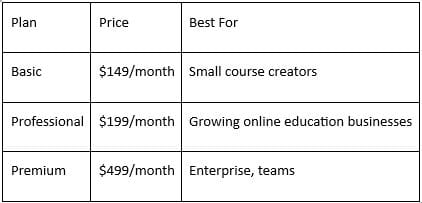
Best For: Online course creators, coaches, membership site owners.
Alternative #7: GetResponse — Best for Integrated Email + Marketing
What It Is
GetResponse started as email marketing but evolved into a full marketing automation + funnel platform.
Strengths
✅ Email marketing: Industry-leading automation, segmentation, A/B testing
✅ Webinar hosting: Integrated webinars, landing pages, automations
✅ Sales funnels: Funnel builder with upsells, downsells, order bumps
✅ Landing page builder: Drag-and-drop, conversion-optimized
✅ Affordable all-in-one: Cheaper than ClickFunnels, more integrated than email-only tools
✅ CRM: Basic contact management and lead scoring
Weaknesses
❌ Not a website builder: GetResponse is marketing-focused, not for traditional sites
❌ Less polish than competitors: UI is functional but not as sleek as Wix/Webflow
❌ No course builder: Limited compared to Kajabi or Systeme.io
❌ No online store: Better for services/funnels than product selling
Pricing
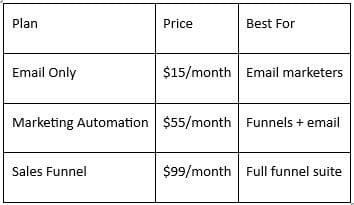
Best For: Email marketers, webinar hosts, funnel builders.
Alternative #8: Shopify — Best for E-Commerce and Physical Products
What It Is
Shopify is the e-commerce platform. It's not WordPress—it's a dedicated store platform built for selling products at scale.
Strengths
✅ E-commerce focused: Built specifically for selling products, not retrofitted
✅ Massive app ecosystem: 10,000+ apps extend functionality
✅ Professional templates: Beautiful store designs
✅ Built-in payments: Integrate Stripe, PayPal, Apple Pay, etc.
✅ Inventory management: Multi-location inventory, SKU tracking
✅ Scaling ready: Shopify scales from 0 to 10M+ revenue
Weaknesses
❌ Transaction fees: 2.9% + $0.30 per sale (plus app overages)
❌ High monthly cost: $29–2,300/month + apps adds up
❌ Limited funnel building: Not designed for upsells/downsells like ClickFunnels
❌ No course builder: Not suitable for online education
❌ Email marketing extra: Requires separate tool ($30–100/month)
Pricing
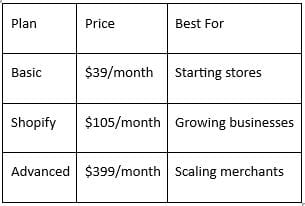
Best For: E-commerce businesses, retail stores, physical product sellers.
Alternative #9: Carrd — Best for Simple, Single-Page Sites
What It Is
Carrd is the minimalist alternative—beautiful single-page sites in minutes. It's WordPress for people who hate complexity.
Strengths
✅ Dead simple: Build a site in 10 minutes
✅ Beautiful templates: Limited but gorgeous designs
✅ Affordable: $19/year (seriously, per year, not month)
✅ Fast: Carrd sites load instantly
✅ Built-in contact forms: Collect emails, inquiries
✅ Email collection: Perfect for building a mailing list
Weaknesses
❌ Single-page only: Can't build multi-page sites (by design)
❌ No email marketing: You need to connect external email service
❌ No e-commerce: Not for selling
❌ Limited customization: Fewer design options than Wix/Squarespace
❌ No blog: Not suitable for content-heavy sites
Pricing
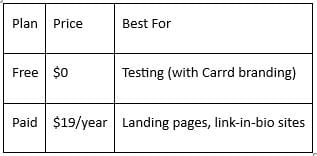
Best For: Solo entrepreneurs, landing pages, link-in-bio presence, micro-brands.
Alternative #10: Ghost — Best for Writers and Membership Content
What It Is
Ghost is a modern blogging and membership platform. It's WordPress reimagined for writers and publishers.
Strengths
✅ Built for writers: Clean, distraction-free editor
✅ Membership built-in: Paywall content, subscriber-only posts, recurring revenue
✅ Newsletter integration: Integrated email delivery to subscribers
✅ Fast and secure: Modern code, no plugins needed
✅ Analytics: Built-in reader analytics and engagement metrics
✅ Flexible monetization: Subscriptions, paid posts, sponsorships
Weaknesses
❌ Not a website builder: Focused on content, not traditional web design
❌ Limited e-commerce: Can't sell physical products easily
❌ No funnel building: Not designed for conversion funnels
❌ Smaller community: Fewer themes and extensions than WordPress
❌ Pricing: Self-hosted is free, but managed hosting starts at $45/month
Pricing
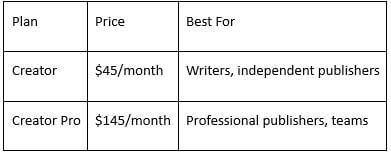
Best For: Writers, journalists, independent publishers, paid newsletter creators.
Feature Comparison Table: WordPress + Plugins vs. Alternatives
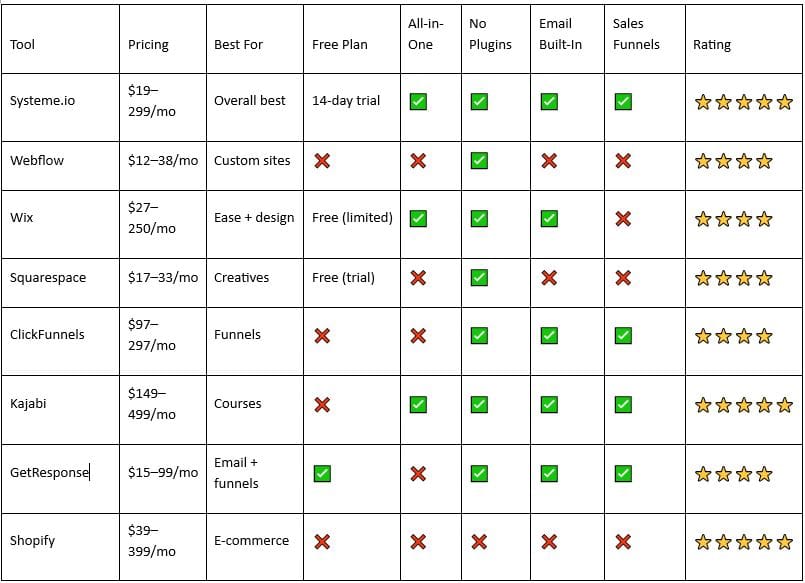
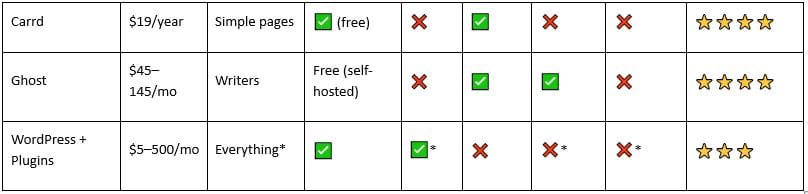
*WordPress can do everything but requires plugins for each—defeating the purpose.
Which Alternative Is Right for You?
If you want everything in one place and want to stop managing plugins:
Go with Systeme.io. It's the closest WordPress replacement that actually replaces it. No plugins, no conflicts, no 2 AM emergencies. All-in-one, affordable, and built for entrepreneurs.
If you're a designer and need full customization without plugins:
Choose Webflow. You'll have complete control, no plugin dependencies, and professional hosting included. Perfect if design flexibility is non-negotiable.
If you're a complete beginner and want something you can launch today:
Pick Wix. It's the easiest. Drag, drop, publish. No technical knowledge needed. You'll sacrifice customization, but you'll have a real website in hours.
If you're a creative (photographer, artist, designer) and want a portfolio:
Use Squarespace. Their templates are legitimately beautiful. You'll stand out without trying.
If you're selling high-ticket offers or digital products and need conversion power:
Choose ClickFunnels. It's built for funnels, upsells, and conversions. Worth the $97+/month if you're serious about sales.
If you're building an online course or membership:
Pick Kajabi. Better course builder and community features than any alternative. Premium pricing is justified for course creators at scale.
If you're an email marketer or webinar host:
Use GetResponse. The best integrated email + marketing automation without the $300+/month price tag of ClickFunnels.
If you're selling physical products at scale:
Choose Shopify. Built for e-commerce. Not the cheapest option, but the most proven for product-focused businesses.
If you want a dead-simple landing page or link-in-bio site:
Use Carrd. $19/year. Done. Perfect for lean experiments.
If you're a writer or newsletter creator:
Pick Ghost. Built specifically for writers. Membership and paid subscriptions are native. No plugin bloat.
Why Thousands of WordPress Users Are Switching in 2026
Let's be honest: WordPress is powerful. It's also exhausting.
In 2010, WordPress was the answer to "I want to blog." By 2026, it's the wrong answer to "I want to run a business."
Here's why people leave:
1. The plugin problem got worse, not better. As of 2026, there are 60,000+ WordPress plugins. With every update, compatibility issues multiply. You're one bad plugin away from a broken site.
2. Security is a game you can't win. WordPress gets hacked 30,000 times daily. You can't leave it unpatched, but every patch risks breaking plugins. It's a cycle.
3. The "free" lie unravels. WordPress is free, but a functioning website costs $300–500/month once you add premium plugins, developer help, and security. That's more than Shopify.
4. Your time becomes the hidden cost. Debugging plugin conflicts, managing updates, backing up your site—that's 5–10 hours monthly that could be spent growing your business.
5. Modern platforms are just better. Wix, Webflow, Squarespace, Shopify, Kajabi—they're designed as coherent wholes. WordPress is Frankensteined together by third parties.
The entrepreneurs who made the switch don't look back.
The Bottom Line: Systeme.io Is the Best WordPress + Plugins Alternative
If you need one recommendation:
Systeme.io is the best overall alternative to WordPress + plugins because it solves all the problems WordPress creates.
You get:
✅ Everything built-in (no plugins, no conflicts, no updates at 2 AM)
✅ Affordable all-in-one (email, funnels, courses, store, memberships—all included)
✅ Zero transaction fees (keep more of every sale)
✅ No technical headaches (Systeme.io handles hosting, security, backups)
✅ Conversion-focused (built for selling, not just publishing)
✅ Beginner to expert friendly (works for solopreneurs and agencies)
WordPress forces you to become a developer. Systeme.io lets you be a business owner.
Ready to Leave WordPress Behind?
Stop wasting time debugging plugins. Stop losing sleep over security updates. Stop cobbling together tools.
Systeme.io gives you a real, unified business platform. Everything works together. It's fast, secure, affordable, and built to convert.
14-day free trial. Full access. No credit card required.
The entrepreneurs who switched say the same thing: "Why didn't I do this sooner?"
Once you experience a platform that actually works without constant maintenance, there's no going back.
FAQ: WordPress + Plugins Alternatives Answered
What is the best free alternative to WordPress?
Ghost (self-hosted), Carrd (free tier), and Wix (free plan with limitations) are the best free or near-free options. However, if you need a true all-in-one platform, Systeme.io's 14-day free trial gives you full access to every feature—better than WordPress's "free but incomplete" model.
Why are people leaving WordPress + plugins in 2026?
Three reasons: (1) Plugin conflicts — incompatible plugins crash sites. (2) Security burden — WordPress is the #1 target for hackers; 30,000 attacks daily. (3) Hidden costs — "free" WordPress costs $300–500/month once you add real functionality. Modern platforms are simpler, safer, and cheaper.
Is Systeme.io better than WordPress?
For entrepreneurs and online businesses: absolutely yes. WordPress is better only for bloggers, developers, and people who want total customization. For selling (funnels, courses, email, products), Systeme.io is faster, cheaper, and requires zero
technical knowledge.
Can I migrate from WordPress without losing data?
Yes, but it takes planning. You can export posts, pages, and media from WordPress, then import to Webflow, Squarespace, or Wix. However, some WordPress plugins won't migrate, so you'll lose those features. The migration takes 2–7 days depending on site size.
Which alternative requires the least technical knowledge?
Wix and Carrd are the easiest—completely visual, no code required. Systeme.io is also beginner-friendly but more powerful. Webflow requires more learning (though still visual, not code-based).
How much does WordPress really cost compared to alternatives?
WordPress appears free, but:
Hosting: $10–100/month
Premium plugins: $50–300/month
Security plugins: $10–50/month
Developer help: $100–500/month
Total: $170–950/month
Compare to Systeme.io (19–299/month all−in), Wix (27–250/month), or Shopify ($39–399/month). WordPress isn't cheaper; you're just not seeing the costs upfront.
Is WordPress still relevant in 2026?
Yes, for blogging, portfolios, and sites that need deep customization. No, for entrepreneurs trying to sell courses, funnels, memberships, or products. For business, WordPress is outdated. Modern platforms are simpler, faster, and more affordable.
What's the best alternative if I already know WordPress?
Webflow uses the same "component-based" thinking as WordPress themes. You'll transition smoothly. If you want to leave web design entirely and focus on business, Systeme.io or ClickFunnels offer the biggest leap forward.
This post contains affiliate recommendations and links. I only promote products and services I personally use, trust, and believe will genuinely benefit my audience. If you purchase through my links, I may earn a commission at no extra cost to you. This compensation helps support my work and allows me to continue providing valuable content. Thank you for your support and trust.
Leave a reply
Copyright © 2022 SuePats.com - nuBeginning.com | All Rights Reserved | PRIVACY POLICY - TERMS & CONDITIONS - DISCLAIMER